NO₂, O₃, SO₂ and CO: gases a PM sensor cannot see
PM2.5 and PM10 are the most visible pollutants on AirQuality.city because the project's own SensorBox stations measure them. That does not make particulate matter the only pollution worth following. Official monitoring stations often measure gases produced by combustion, industrial processes or chemical reactions in the atmosphere.
The four labels most commonly seen alongside PM data are NO₂, O₃, SO₂ and CO. Not every station measures all of them, and they should not be interpreted in the same way because their sources, atmospheric behaviour and health relevance are different.
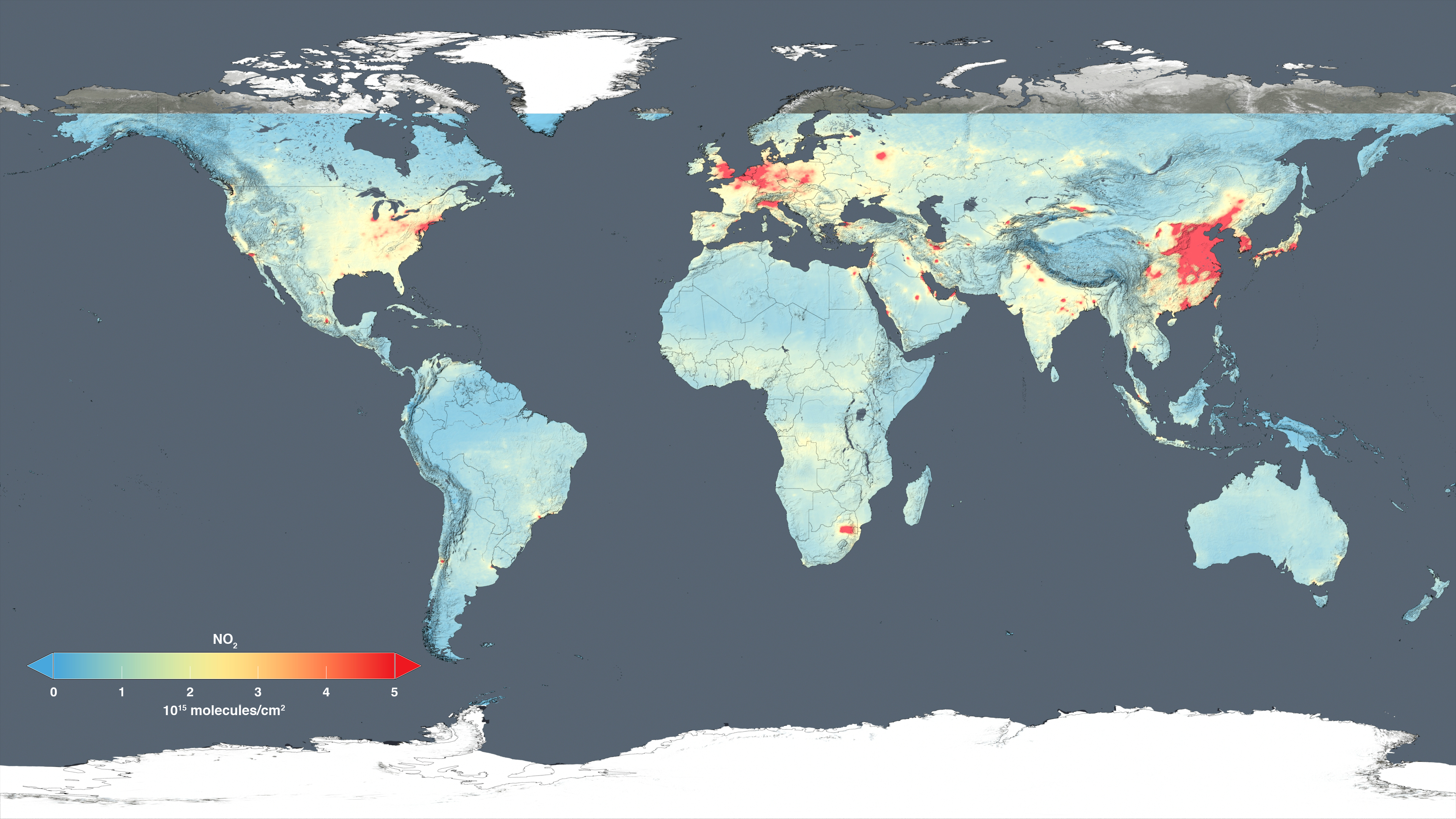
NO₂ is closely linked to combustion
Nitrogen dioxide is produced by combustion, and in cities it is strongly associated with road traffic, especially close to busy corridors. Domestic heating, energy production and industrial sources can contribute as well.[1]
Concentrations can therefore be markedly higher beside a major road than at an urban-background station several kilometres away. NO₂ irritates the respiratory system and is particularly relevant for people with asthma and other respiratory conditions.
Ground-level ozone does not come directly from an exhaust pipe
Ozone near the surface is formed through chemical reactions involving other pollutants in sunlight. It is therefore typically more important during warm, sunny weather, and the highest concentrations do not necessarily occur in the busiest part of a city.[1]
Close to strong sources of nitric oxide, some ozone can be chemically removed, while concentrations can increase downwind after photochemical reactions have had time to develop. This is one reason suburban or rural sites can sometimes record more ozone than a city centre.
Ground-level ozone is not the same as the protective ozone layer in the stratosphere. One is a pollutant we breathe; the other shields the Earth from part of the Sun's ultraviolet radiation.
SO₂ is now a more localised problem than it once was
Sulphur dioxide is produced by burning sulphur-containing fuels and by certain industrial processes. Its role in Europe has fallen sharply compared with the decades when coal and high-sulphur fuels were more common, but it can still matter locally near particular industrial, energy or port-related sources.
SO₂ has a sharp odour and can irritate the respiratory system, especially in sensitive individuals.[1]
CO is especially dangerous indoors
Carbon monoxide is produced by incomplete combustion. Outdoors it is usually dispersed, whereas an indoor malfunctioning heater, generator, stove or other source can allow dangerous concentrations to build up.
CO is colourless and odourless, so an outdoor monitoring station is not a substitute for a functioning household CO alarm. The value shown on the portal describes outdoor air at the station location, not safety inside an individual home.[1]
The European index covers more than particles
The European Air Quality Index is based on up to five pollutants: PM2.5, PM10, NO₂, O₃ and SO₂. The overall category is determined by the least favourable pollutant level available at the station.[2]
AirQuality.city currently calculates its overall AQI from PM2.5 and PM10 only. NO₂, O₃, SO₂ and CO are shown separately when an official station publishes them. That distinction matters: a good particulate-matter index does not prove that every gaseous pollutant is also low.
Different pollutants follow different daily rhythms
PM2.5 can rise on winter evenings with heating and stagnant air, NO₂ often follows local traffic patterns, while ozone can build during a sunny afternoon. At stations measuring several pollutants, comparing those daily patterns can provide much more context than a single overall number.
Air is not one value. The broader the set of measurements, the more complete the picture becomes.
Sources
- Ambient (outdoor) air pollutionWorld Health Organization2024-10-24 Accessed 2026-09-26
- European Air Quality IndexEuropean Environment Agency Accessed 2026-09-26